

cattāri iddhipāda : ค้นหาหนังสือธรรมะ
หน้าหนังสือทั้งหมด
26
ความเห็นเรื่องลิกขาบทในพระธรรมวินัย
จะเห็นได้ว่าพระเทวะทั้งหลายมีความเห็นเรื่องลิกขาบทเล็กน้อยไม่ตรงกัน
พระมหากัสสะปะ ประธานในการสังคายนาจัดเสนออุฏฐิตติดต่อที่ประชุมสงฆ์ ดังนี้
ท่านทั้งหลาย ขอสงฆ์จงฟังพากเพียร สถานภาพของพวกเราที่รู้ในหน
พระมหากัสสะปะได้กล่าวถึงความเห็นที่แตกต่างกันของพระเทวะเกี่ยวกับลิกขาบท โดยยืนยันว่าพระสมณโคดมได้บัญญัติสิกขาบทสำหรับสาวก และควรสมาทานปฏิบัติตามสิกขาบทที่ทรงบัญญัติไว้ ไม่ควรถอดถอนหรือปรับแก้ไข แม้ว่า

176
ข้อมูลการเดินทาง
…. Blbi 5, AIHARANY
A, BÆRBE✯ˆ, TERRÆLIA
**S*, MÆÆLESHLII.
†¤¶ÆN¤¯, ZAAUEMKLE, CHE
#SH117.
[9]i¾£:19(cattāri iddhipāda),
*R*, ¿½
#(chanda)** x, y (viriya), (citta) 2, 3 (vimasi) it .
*** * - TK24¥.
…. Blbi 5, AIHARANY A, BÆRBE✯ˆ, TERRÆLIA **S*, MÆÆLESHLII. †¤¶ÆN¤¯, ZAAUEMKLE, CHE #SH117. [9]i¾£:19(cattāri iddhipāda), *R*, ¿½ #(chanda)** x, y (viriya), (citta) 2, 3 (vimasi) it . *** * - TK24¥.
195
Valuable Tools for Personal Growth
Part Seven: Appendixes
a member of the family and doing it with integrity
(Samānattatā)
Four Valuable Tools Which Enable us to Reach our Goals
(Iddhipāda):
1. Satisfaction and joy in the thing concern
In this section, we discuss four valuable tools for reaching goals, known as Iddhipāda. These include Chanda (satisfaction), Viriya (diligent effort), Citta (wholehearted attention), and Vimamsā (rese
20
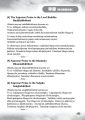
Supreme Praise to the Buddha, Dhamma, and Sangha
早課 (巴利羅馬拼音)
[4] The Supreme Praise to the Lord Buddha Buddha bhhthuti
(Handa mayāṁ buddhābhihutim karoma se)
Yo so tathāgato arahām sammāsambuddho,
Vijjācaraṇasampanno sugato lokavidū,
Anuttaro puris
本内容提供了对佛陀、教义和僧团的崇高赞美。对佛陀的称颂强调了他作为觉者的智慧与领导力,对教义的赞赏突出了其自我证悟的价值,而对僧团的赞美则彰显了修行者共同体的重要性。这些赞美的诵读有助于信众更深刻地理解和体验三宝的庄严与智慧。
37
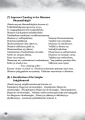
Supreme Chanting to the Dhamma and Recollection of the Saṅgha
[7] Supreme Chanting to the Dhamma
Dhammābhītī
(Handa mayam dhammābhītīṁ karoma se)
Svākkhātāṭadiguñayogavāseṇa seyyo,
Yo maggapākaparayattivimokkhabhedo,
Dhammo kulokapatanaṁ tadādhṛidharī,
Vandāmaha
This text discusses the significance of chanting to the Dhamma and the virtues of the Saṅgha. It highlights the importance of Dhamma as a refuge and its role in overcoming suffering. The chanting emph
101
Understanding the Pāli Verses and Buddhist Doctrine
The Text
The first nine leaves are inscribed with Pāli verses and a commentary in Tai Yuan.4 The final leaf of the manuscript is an addendum, inscribed with a stanza of the Dvatiṃsa-mahāpuruśa-lakkhaṇ
The manuscript presents Pāli verses and commentary in Tai Yuan, summarizing Buddhist doctrines about the Buddha's physical body and wisdom. It includes thirty stanzas highlighting qualities like divin
2
DMC Translator’s Handbook
DMC TRANSLATOR’S HANDBOOK
Part I -- Dhamma Terms, Definitions and Reference Material
Part II – Popular Dhamma Topics
1. Buddhism
2. The Buddha’s Life
3. The Teachings of the Buddha
- The Four Nob
The DMC Translator’s Handbook provides essential references on Dhamma terms and popular topics in Buddhism. It encompasses teachings like the Four Noble Truths, the Noble Eightfold Path, and meditatio
65
นิรวาณและแนวคิดในพุทธศาสนา
นิรวาณ Nirvana
อายะ/อารยัน Aryans, ancient people of Asia who spoke an Indo-European language and called themselves Ariyas (“noble ones”). Sometime between 2000 B.C. and 1000 B.C. the Ariyas migrated
บทความนี้สำรวจแนวคิดสำคัญในพุทธศาสนา รวมถึงนิรวาณ ซึ่งเป็นเป้าหมายสูงสุดในการเข้าถึงการหลุดพ้นจากความทุกข์ อธิบายการกำเนิดของอารยันและการย้ายถิ่นไปยังอินเดีย พร้อมทั้งอธิบายวันอาสาฮิปูนชะ ที่พระพุทธเจ
82
Hiri-Ottapa: Understanding Shame and Fear of Wrongdoing
Hiri-ottapa – Shame and Fear of Wrongdoing
Hiri and ottapa are Pali words, meaning ‘shame of wrongdoing’ (hiri) and ‘fearful of the consequence of wrongdoing’ (ottapa). One who has hiri-ottapa is one
Hiri and Ottapa are pivotal concepts in Buddhism, representing the shame of wrongdoing and the fear of its consequences. Together, they foster a good moral conscience. Individuals devoid of these trai
143
Understanding the Dhamma Body and the Noble Path
Dhamma Body — not with the human eye or the naked eye.
All the knowledge that brought him to Buddhahood came
by the ‘knowing’ of the Dhamma Body, not by rationale or
reasoning with the logical (hum
The Dhamma Body can only be perceived beyond the human eye, allowing the Buddha to grasp deep truths about existence. His compassion drove him to teach the Noble Path for the liberation of others, adv
175
Monitoring and Discretional Mindfulness
7.1 Monitoring Mindfulness
This form of mindfulness is mindfulness that is constantly monitoring the level of wholesomeness in the mind — never letting wholesomeness slip away from the mind and its in
Monitoring mindfulness involves a constant awareness of the wholesomeness in the mind, akin to a treasurer who tracks the assets of an emperor. It encompasses the recognition of various virtues essent
241
Understanding Sensory Terms in Buddhism
gammo (adj. reason why people icchā (see jealousy)
settle for the household life: see iddhipada (see Four Foundations
harm of sensual-indulgence) of Success)
gandha (scant: see sense-objects) Indra (P
This text delves into various sensory terms found in Buddhist scriptures, particularly focusing on olfactory and gustatory experiences. It covers concepts such as gandha (smell), jihvā (taste), and th